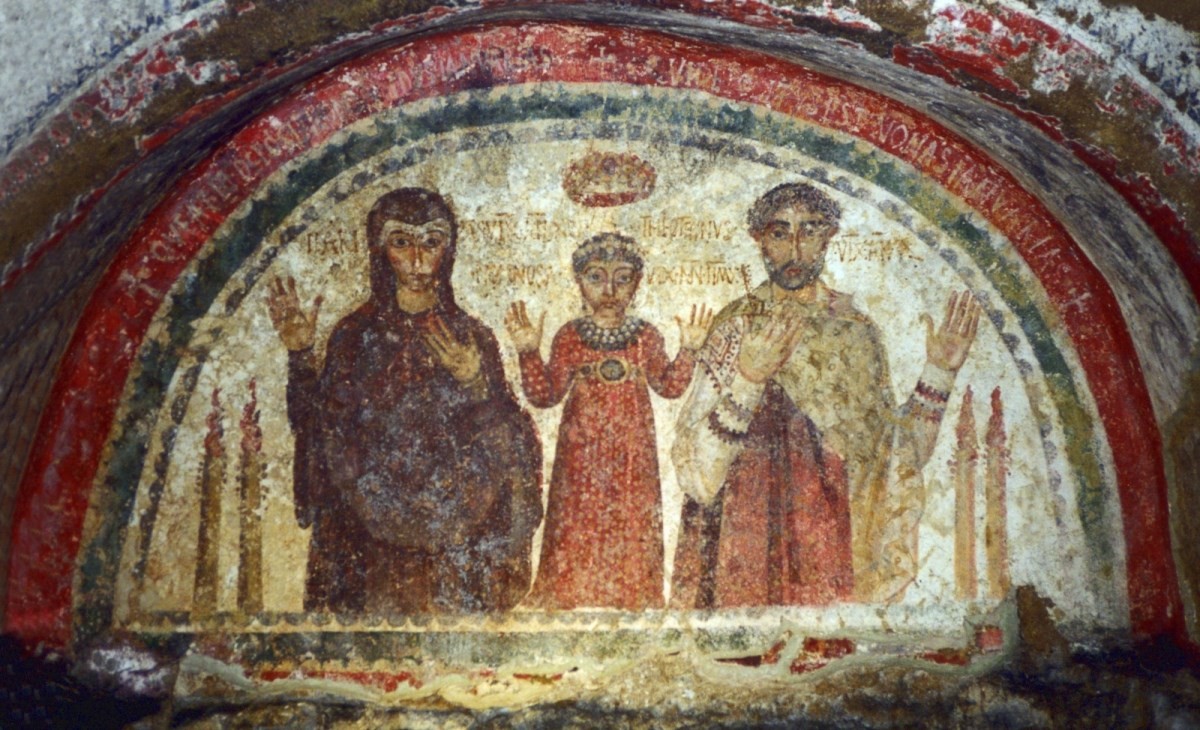
Over 25 million Italians have emigrated between 1861 and 1960 with a migration boom between 1871 and 1915 when over 13,5 million emigrants left the country for European and overseas destinations.
I am wanting to get an italian passport. I am wanting to go through my nana as my grand father was born in australia.
I am unsure of the best way to go.
Most sites i go on are american sites and being in australia that isn't very helpful.
Also any information on my family would be great. My nana Assunta Cannella born 1925 to Nancy and Dominic Cannella (unusre of when they married)
My nana then married Angelo Scecchitano and had 5 children. I think Angelo is a descendant of Bartolo and Caterina Scecchitano not 100% sure and Caterina maiden name was Mollica
Any help would be great
Known surnames- Mollica, Alba, Cannella, Secchitano
I would like to research my family history and find out as much as I can =)
As long as your grandfather was born after 1948 AND your grandmother naturalized after your parent was born, you would qualify no matter where in the world you are located.
But don't make the assumption that you do not qualify through your grandfather. If his father was Italian when he was born, you would qualify through his line as well.
My apologies for the confusion. I gave you incorrect information. It is important that your parent (the son or daughter of your grandmother) was born after 1948. Your grandfather's date of birth is not an issue unless you are using his maternal line.
I would guess that the odds are that you do qualify through your grandmother. It is also possible that you qualify through your grandfather's line, but more information would be needed. Dates are very important in determining citizenship.
I'd suggest that you revisit those citizenship sites. Many posters are from Australia, and I'm sure you'll obtain some good advice. Italian citizenship does not change from consulate to consulate; although often there are minor differences in procedures.
Contrary to popular belief, not all Italian given names have Christian or classical roots. Many names encountered in older records are almost whimsical, and some cannot be translated into Latin or any other language. In order to avoid possible mistranscription of a given name with which the research...